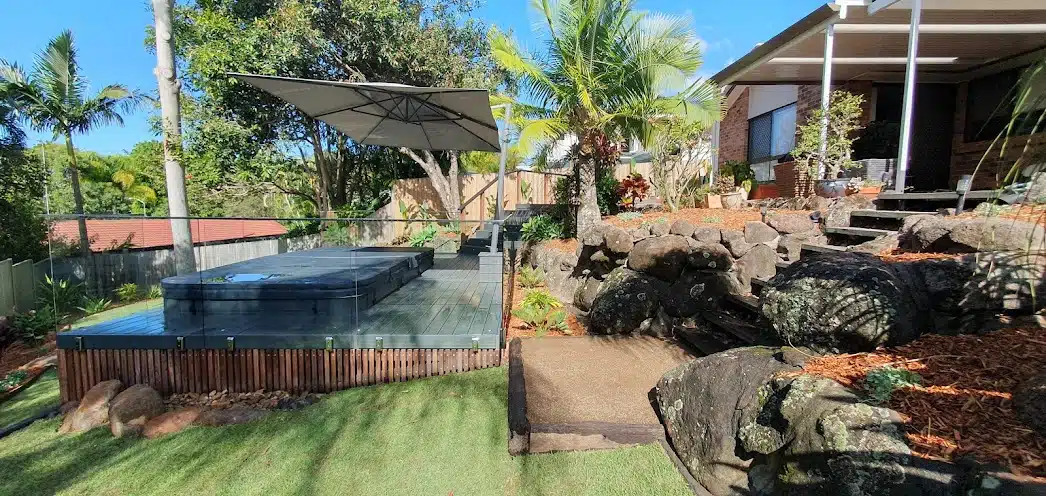
Keeping Your Newly Built Landscape Looking Great All Year
So you've just invested in a beautiful new landscape, the design is gorgeous, plants are established, hardscaping is fresh, and everything looks incredible. How do you keep it looking this good? How do you maintain that freshly designed beauty through the seasons, dealing with growth, weather, and the inevitable wear that time brings? The secret isn't complicated: it's consistent, thoughtful maintenance. Let's talk about how to keep your newly built landscape looking brilliant year-round.
Understanding the First Year
The first year after landscape installation is critical. Plants are still establishing, systems are new, and your landscape is developing its character. The goal is different from mature landscape maintenance, you're not trying to maintain something established; you're supporting a healthy establishment.
Plant Establishment
New plants need consistent watering to develop deep root systems. They need time to acclimate to their specific location. Some plants'll settle in quickly; others take longer. Don't judge success by months, judge it by seasons. A newly planted tree might look stressed in July, then flourish by October. Give plants time.
System Bedding-In
New irrigation systems need adjusting. You'll discover dry spots, over-watered areas, and sections that need tweaking. Make adjustments as you observe. This fine-tuning in year one prevents problems in subsequent years.
Soil Settling
Freshly prepared soil settles and compacts naturally. You might need to top-dress areas or adjust mulch levels. This is completely normal and isn't a problem, it's just part of the process.
Seasonal Maintenance: The Annual Rhythm
Spring (September-November)
This is your most active maintenance season on the Gold Coast.
Watering: As growth accelerates, increase watering
Feeding: Apply fertilizer to support growth
Pruning: Remove dead wood, shape plants, remove frost-damaged growth
Mulching: Top-dress gardens with quality mulch to maintain moisture retention and suppress weeds
Planting: Add seasonal colour with spring-flowering plants
Weed Management: Stay on top of weeds before they establish
Summer (December-February)
Summer's intense, so your focus is support and protection.
Deep Watering: Ensure consistent, deep watering. This is critical, water stress in summer creates long-term problems
Shade Management: Provide extra shade for sensitive plants if temperatures are extreme
Deadheading: Remove spent flowers to encourage continued flowering
Minimal Pruning: Don't prune heavily in heat; this stresses plants
Monitoring: Watch for pests and disease issues. Heat creates perfect conditions for some problems
Pathways and Hardscaping: Clean and maintain to keep everything looking sharp
Autumn (March-May)
As heat subsides, your garden recovers and prepares for cooler months.
Feeding: A good fertilizer boost in early autumn supports recovery
Planting: Autumn is excellent for planting trees and shrubs; they establish over winter
Pruning: Light pruning and shaping as growth slows
Dethatching: If your lawn needs it, autumn is ideal
Aeration: Aerate lawns in early autumn
Reducing Watering: As rainfall increases and temperatures drop, reduce irrigation gradually
Winter (June-August)
Even on the Gold Coast, winter requires attention.
Maintenance Pruning: Shape plants, remove dead wood, encourage good structure
Frost Protection: Protect sensitive plants from occasional light frosts
Weed Management: Weeds still grow; stay on top of them
Minimal Feeding: Hold off major feeding; plants are resting
Pathway Maintenance: Clear debris, maintain pathways
Structural Maintenance: Check and repair any hardscaping issues
Ongoing Maintenance Practices
Watering Systems Management
Check irrigation regularly; adjust for seasonal needs
Clean filter screens and nozzles regularly
Inspect for leaks or broken lines
Adjust timers as seasons change
Deep, infrequent watering is better than shallow, frequent
Monitor soil moisture before watering; don't assume
Mulching
Maintain 50-75mm of mulch in garden beds
Refresh mulch annually as it decomposes
Keep mulch away from plant stems, mulch against stems can cause rot
Use quality mulch; poor-quality mulch decomposes too quickly
Pruning and Shaping
Remove dead or diseased wood immediately
Prune to encourage good structure and shape
Avoid heavy pruning during stressful periods (extreme heat or cold)
Don't "haircut" shrubs unless that's the style; selective pruning looks better
For trees, work with their natural form rather than forcing unnatural shapes
Feeding and Nutrition
Feed plants appropriate to season and plant type
Observe your plants; if they look pale or struggling despite water, they need feeding
Use slow-release fertilizers that feed gradually
Organic options like fish emulsion and seaweed extracts improve soil health
Weed Management
Remove weeds when soil is moist - they come out easier
Get them when small before they establish
Maintain mulch to suppress seed germination
A quality hand weeder makes this easier
Pull weeds - don't spray near desirable plants
Pest and Disease Management
Monitor plants regularly for issues
Catch problems early when they're easiest to manage
Natural solutions (insecticidal soap, neem oil) work well for most common issues
Sometimes it's easier to remove a struggling plant and replace it
A healthy plant is more resistant to pests and disease
Hardscaping Maintenance
Pavers and Pathways
Sweep regularly to prevent debris accumulation
Clean pavers; moss and algae can make them slippery
Sand between pavers needs refreshing periodically
Address any settling or movement
Structures and Features
Check timber structures regularly; address rot or damage
Clean water features; keep water moving and fresh
Inspect pergolas, arbours, and shade structures seasonally
Paint or stain timber as needed
Lawns
Mow regularly at appropriate height (25-30mm)
Aerate annually or twice yearly if heavily used
Overseed thin or bare areas
Rake gently to remove thatch
Feed according to season
Problem-Solving
Plants Not Growing
Look at: watering (too much or too little), light (sun/shade requirements), soil quality, competition from other plants, pest or disease issues. If you've identified the problem but it's not correctable, replace the plant with something more suitable.
Pathways Getting Slippery
Moss and algae growth is common in shaded, damp areas. Cleaning and improving drainage helps. Some people use moss-control treatments; others prefer to work with moss and accept it as part of the aesthetic.
Lawn Struggling
This usually comes back to watering, soil quality, or inappropriate grass type for the conditions. Improve soil, adjust watering, or consider different grass species.
Structural Damage
Address promptly. Water damage to timber, settling causing movement, or deteriorating pavers, these get worse if ignored.
Professional Maintenance Help
Many people find professional maintenance support valuable:
Regular Maintenance Contracts
Landscape maintenance companies provide regular care, watering, mulching, feeding, weeding, pruning. This ensures consistent care and frees you to enjoy your space.
Seasonal Services
Even if you do regular maintenance, bringing in professionals for seasonal pruning, aeration, or detailing keeps everything in top condition.
Problem-Solving
When issues arise, professional input helps identify causes and solutions.
Enjoying Your Space
Here's the thing, mate: don't get so focused on maintenance that you forget to enjoy what you've created. Yes, consistent care keeps things looking great, but this is your space, sit in it, have meals there, relax there. A garden is meant to be lived in, not just maintained.
The maintenance we've discussed isn't complicated or overwhelming. It's just regular, thoughtful attention to what your space needs. Think of it like caring for anything you value, your car, your home, your health. A bit of regular attention prevents big problems and keeps things running beautifully.
The Long-Term View
Year one establishes the pattern. By year two, you'll understand your landscape's rhythm. By year three, you've been through full seasonal cycles and know what works. Plants mature and settle in. Systems work perfectly. And what started as a new landscape becomes a mature, beautiful garden that's genuinely part of your life.
Getting Professional Support
At Apunga Landscapes, we don't just design and build landscapes, we're here to support their success long-term. Whether you want ongoing maintenance contracts, seasonal services, or just occasional help with specific issues, we're happy to help keep your landscape looking absolutely gorgeous.
Let's talk about a maintenance plan that works for your space and lifestyle. We'll ensure your newly built landscape stays as beautiful as the day it was finished, and it only gets better with time.
How long before a new landscape looks fully established?
Expect 18–24 months for a truly mature look. Things start looking great at 6–12 months, but real development and fullness take time. During that period, stay consistent with watering, feeding, and gentle pruning. The investment in early care pays dividends.
What is the biggest mistake people make with new landscapes?
Underwatering. People assume the garden's established when it's barely rooted. Those first few months are critical. Most losses happen in year one from inconsistent watering or not giving plants enough time to settle. Patience and consistency win.
When should I first fertilise a new garden after installation?
Wait 6–8 weeks after planting before feeding. Fresh mulch and quality soil contain enough nutrients initially. Once plants are establishing, a gentle feed helps growth. Don't over-fertilize early; it can shock newly planted vegetation.
How often should I water a newly installed garden on the Gold Coast?
Daily for the first 4–6 weeks during growing season, then gradually reduce to 3–4 times weekly as plants establish. Check soil moisture before watering—it should be moist, not soggy. Mulch heavily to retain moisture and reduce watering frequency.