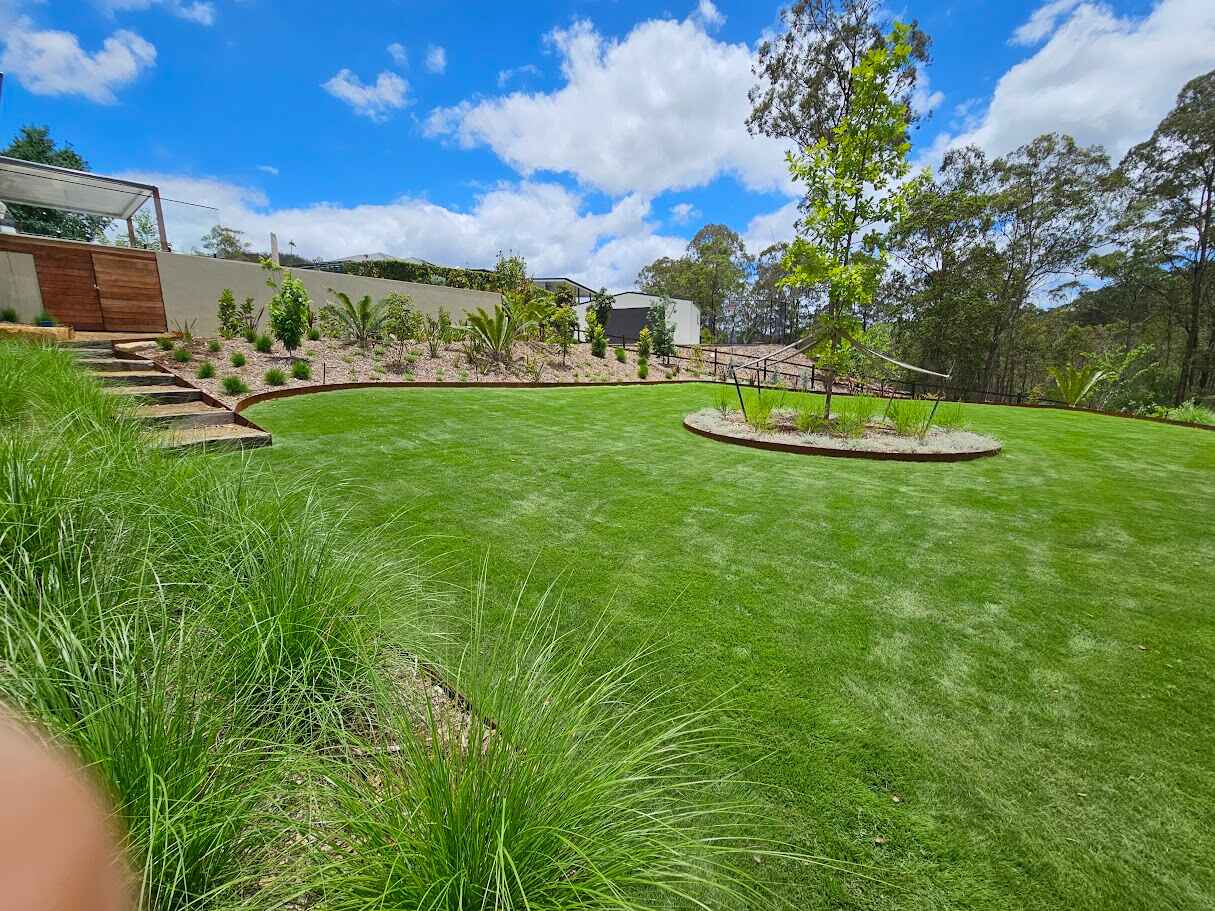
Landscape Excavation: Transforming Outdoor Spaces
Sometimes, creating the garden of your dreams means getting serious about earthworks. Landscape excavation sounds like heavy-duty, technical stuff, and it is, but it's also where the real magic happens. Proper excavation can transform a sloping, awkward property into a beautiful series of level outdoor living spaces. It's about reading your land, understanding what it wants to be, and then using the right equipment and expertise to make that happen.
Understanding Your Property's Potential
Here's what most people don't realise: your property's topography is either a constraint or an asset, depending on how you work with it. A steep slope might seem like a liability, but it's actually an opportunity to create dynamic spaces with interesting views and multiple levels. A flat block might seem ideal, but it can lack the visual interest that elevation changes create.
The first step in any excavation project is understanding your site genuinely. What's the existing grade? Where's your water running off to? How does the land slope in relation to your home? What's the soil composition? Are there underground utilities you need to work around? These factors determine what's possible and what approach makes sense.
Levelling and Terracing
Many Gold Coast properties have natural slopes, some gentle, some pretty dramatic. Creating usable outdoor spaces on sloping land requires thoughtful terracing. This is where excavation becomes both engineering and art. You're removing soil from higher areas and creating level platforms at different heights, all while managing drainage and ensuring the whole system is stable.
Proper terracing opens up possibilities. Instead of a single, unusable sloped yard, you suddenly have a entertaining area at one level, perhaps a primary outdoor living space at another level, and maybe a garden area or meditation space at a third level. Each level serves a purpose and works with the natural topography rather than fighting it.
Drainage and Water Management
Here's something critical: bad drainage causes more landscape problems than almost anything else. Water that doesn't move properly pooling against your house, creating swampy garden beds, destabilising retaining walls. Proper excavation and grading ensures water flows where it needs to go.
This might involve creating subtle slopes that aren't obvious to the eye but absolutely functional. It might mean installing French drains or other drainage systems that manage subsurface water. On the Gold Coast, where we get intense rainfall, getting drainage right isn't optional, it's essential.
Earthworks for Hardscaping
Many hardscaping features, retaining walls, patios, decking platforms, require proper excavation and base preparation. A patio that's not properly founded will crack and settle unevenly. A retaining wall without proper base preparation will fail. The excavation work that happens before the visible landscaping is actually the most important part.
We ensure proper grading and compaction. We install appropriate base materials. We create stable, level foundations for all the hardscaping features that'll sit on top. This unglamorous, underneath work is what determines whether your landscape looks perfect in ten years or starts showing problems after a couple of seasons.
Soil Management
When we excavate, we're moving tonnes of material. Smart landscapers don't waste good soil. We assess what we're removing and figure out how to use it. Maybe it's re-graded to create new landforms. Maybe it's improved with compost and used as planting beds. Maybe we use it to create visual interest, a slightly raised mound that changes how the space feels or creates better drainage.
On the Gold Coast, soil quality varies significantly. We might encounter clay, sand, rock, or combinations thereof. Understanding what you're working with helps us figure out whether it can be reused, whether it needs amendment, or whether it needs to be removed and replaced with better material.
Vegetation Removal and Site Preparation
Sometimes, creating your dream landscape means removing existing vegetation. This needs to be done thoughtfully. We assess what's worth keeping, what needs to come out, and what can be relocated. An existing tree that works with your new design can be preserved. An existing shrub that's in the way might be removed or relocated. This requires knowledge, care, and good equipment to do properly.
Site preparation involves clearing, removing debris, and preparing the site for the next phase of work. It sounds simple, but done right, it sets up everything that comes next for success.
Modern Equipment and Expertise
Landscape excavation requires the right equipment and the expertise to use it properly. We've got access to excavators, bobcats, compactors, and other machinery, but, and this is crucial, we know how to use them in ways that preserve the parts of your site you want to keep while transforming the parts that need change. It's not just about moving dirt; it's about using professional-grade equipment with genuine skill.
The Transformation
When excavation work is done well, it's transformative. A steep, unusable property becomes a series of beautiful, functional spaces. Drainage issues disappear. Views open up. Your home connects better to the landscape. It's the foundation upon which everything else is built.
Whether you're thinking about creating level entertaining areas on a sloped property, solving persistent drainage problems, or preparing for a significant landscape redesign, landscape excavation expertise makes the difference.
Apunga Landscapes has extensive experience with landscape excavation on Gold Coast properties. We understand the local conditions, the best practices for site preparation, and how to transform raw land into spaces that work beautifully. If you're ready to unlock your property's potential, get in touch. Let's talk about what's possible.
Can excavation work be done in wet weather on the Gold Coast?
It's challenging but sometimes doable depending on soil type and rainfall. Heavy clay soils turn to mud, making it messy and inefficient. We prefer working after dry spells when possible, but we're flexible and will work with weather patterns.
What happens to the soil removed during excavation?
We assess whether it's good quality for reuse on-site—maybe building up garden beds or creating mounds. If it's not suitable, we arrange removal. Some soils are great for fill in other areas of your property, which saves money and reduces waste.
How long does landscape excavation typically take?
A standard residential site usually takes 2–5 days depending on size and complexity. Larger projects might take 1–2 weeks. Weather can affect timelines, especially on the Gold Coast where we can get heavy rain that impacts site access.
Do I need council approval for excavation work on the Gold Coast?
Most minor earthworks don't need approval, but if you're making significant changes to site levels, retaining walls, or drainage, it's worth checking with your local council. We always advise clients and handle any approvals that are needed.