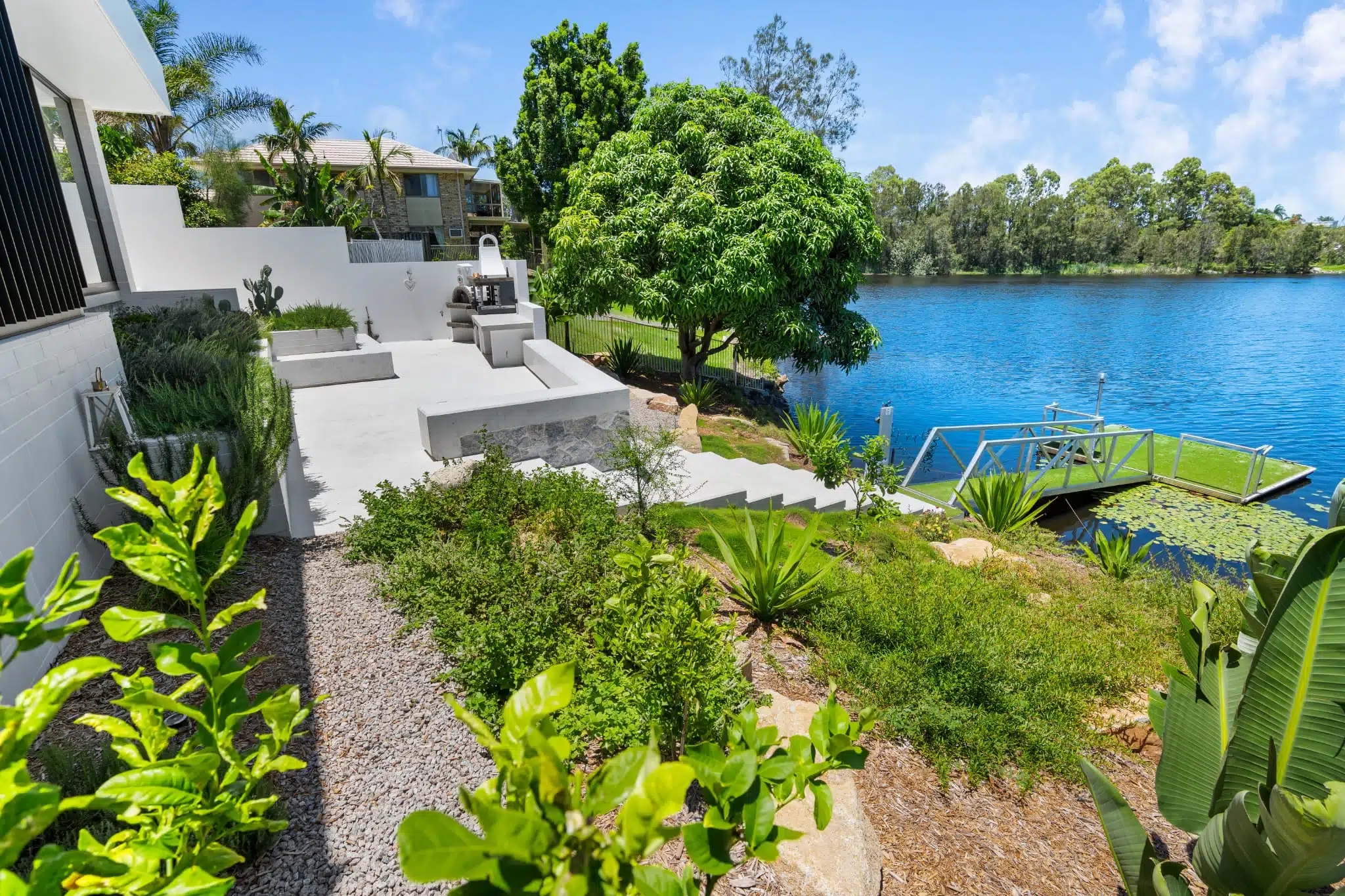
The Role Of Landscape Designers In Shaping Sustainable Outdoor Spaces
We're at a genuinely exciting moment in landscape design! There's growing recognition that how we design our outdoor spaces matters, not just for how they look or function, but for environmental impact. Landscape designers are increasingly central to creating spaces that are beautiful, functional, and genuinely sustainable. They're thinking about water conservation, biodiversity, carbon footprints, and ecosystem health. This shift isn't just trendy, it's essential. Let's explore why sustainable landscape design matters and how designers are reshaping outdoor spaces.
What Makes a Landscape Truly Sustainable?
Sustainability in landscape design means creating spaces that work with natural systems rather than against them. It's about designing for long-term health, of the garden, the local environment, and the broader ecology:
Water Efficiency
Designing irrigation and plant selection to minimize water use while maintaining beauty. Capturing and using rainwater, designing for natural water flow, choosing plants suited to available rainfall.
Soil Health
Building and maintaining living, healthy soil full of organisms and organic matter. Healthy soil requires less fertilizer, prevents erosion, improves water retention, and supports better plant growth.
Native Biodiversity
Choosing plants that support local birds, insects, and wildlife. Creating habitat and supporting ecological function rather than replacing nature with monocultures.
Carbon Consciousness
Considering carbon impacts, from materials used to plant choices to long-term carbon sequestration through growing plants.
Chemical Reduction
Designing landscapes that work with nature and don't require excessive pesticides, fungicides, or herbicides.
Resource Efficiency
Using durable, appropriate materials; reducing waste; and designing for longevity rather than requiring constant replacement.
Why Sustainable Design Matters Now
Climate Change Reality
Our climate is changing. Designing spaces that are resilient to changing conditions like variable rainfall, temperature extremes, pest patterns, means they'll continue working well as conditions shift.
Water Scarcity
Water's increasingly valuable. Designing for water efficiency isn't just responsible; it's increasingly necessary as resources become more constrained.
Biodiversity Loss
Native species and ecosystems face pressure. Gardens that support local wildlife aren't just beautiful, they're genuinely important for conservation.
Economic Sense
Sustainable landscapes require less ongoing maintenance and input. They might cost more to design and establish properly, but long-term costs are lower.
Community Values
Increasingly, people want their spaces to reflect their environmental values. Sustainable landscaping aligns aesthetics with ethics.
The Designer's Role in Sustainability
Modern landscape designers actively work for sustainability:
Site Analysis
Understanding existing conditions like, soil, water, light, microclimate, and existing plants informs sustainable design. Working with what exists rather than fighting nature.
Plant Selection
Choosing plants that'll thrive without excessive inputs. Native species suited to local conditions, plants requiring appropriate water amounts, choices that support local wildlife.
Water System Design
Rainwater harvesting, efficient irrigation, swales and rain gardens that capture and use water where it falls. Designing so water doesn't run off but infiltrates and nourishes plantings.
Habitat Creation
Plantings that provide food and shelter for native birds and insects. Creating ecological corridors that support wildlife movement. Understanding which plants support which fauna and designing accordingly.
Material Selection
Choosing sustainable, durable materials. Recycled or reclaimed elements, materials sourced responsibly, choices that'll last decades rather than requiring constant replacement.
Carbon Consideration
Some designers now calculate carbon impacts and actively work to minimize them through material and plant choices.
Sustainable Gold Coast Landscapes
On the Gold Coast, sustainable design has specific applications:
Water Management
Our summer brings heavy rainfall; designing to capture and use this water makes sense. Swales, rain gardens, and rainwater tanks support plantings through drier periods while reducing pressure on town water.
Native Plant Emphasis
Using native species like Lilly Pilly, Brush Box, Tuckeroo, Brisbane Box, and countless others creates beautiful gardens that support local birds and wildlife. Natives are adapted to our conditions and require less maintenance.
Erosion Control
Coastal properties face erosion. Sustainable design uses plantings, stabilization, and appropriate landforms to prevent erosion naturally.
Biodiversity Support
The Gold Coast's proximity to natural bushland means designed gardens can create corridors supporting wildlife movement and habitat. This is both beautiful and ecologically important.
Climate Adaptation
Designing for resilience means choosing plants and systems that'll handle temperature variations, occasional droughts, and heavy rainfall without failing.
Practical Sustainable Design Elements
Soil Building
Work compost and organic matter into soil before and after planting. Healthy, living soil is the foundation of sustainable gardens.
Mulching
Mulch suppresses weeds, retains moisture, moderates soil temperature, and breaks down to improve soil. It's a genuinely important element.
Composting
On-site composting of garden waste and household organics reduces waste while creating nutrient-rich material for the garden.
Water Harvesting
Rainwater tanks capture water for use during drier periods. Swales and rain gardens allow water to infiltrate where it falls.
Plant Guilds
Grouping plants that support each other like nitrogen-fixing plants supporting heavy feeders, tall plants sheltering shade-loving understory, reduces external inputs.
Integrated Pest Management
Rather than spraying chemicals, sustainable approaches use beneficial insects, companion planting, appropriate plant selection, and cultural practices to manage pests naturally.
Native Plantings
Central to sustainability. Native plants support local fauna, require appropriate water and maintenance for local conditions, and create genuinely beautiful gardens.
The Long-Term View
Sustainable landscapes get better over time. Soil improves, plants mature, relationships between elements strengthen, biodiversity increases. A well-designed sustainable garden becomes richer and more beautiful year after year.
In contrast, landscapes that fight nature or require constant chemical input to maintain often deteriorate over time. More maintenance, more cost, more environmental impact.
Certification and Standards
Some landscape designers pursue certifications in sustainable design:
LEED Certification: Addresses environmental performance in built environments
Sustainable Sites Initiative: Standards for sustainable landscape design and management
Local standards: Regions sometimes develop specific guidelines for sustainable landscaping
These frameworks help designers quantify and demonstrate sustainable outcomes.
Your Role in Sustainability
As a property owner, you influence sustainability by:
Supporting Sustainable Design
Choosing a designer who prioritizes sustainability and discussing environmental goals.
Choosing Native and Adapted Plants
Supporting the use of plants suited to local conditions.
Investing in Proper Systems
Quality irrigation, good soil preparation, and appropriate infrastructure creates foundations for sustainable success.
Committing to Long-Term Care
Sustainable landscapes need commitment - appropriate watering, regular maintenance, care for soil health. This maintenance creates the long-term sustainability.
Educating Yourself
Understanding sustainable principles helps you make choices that support your designer's vision.
The Future of Landscape Design
As environmental concerns intensify, landscape design will increasingly emphasize sustainability:
Climate Adaptation
Designing for resilience to changing climate conditions.
Carbon Neutral or Negative
Designing landscapes that sequester carbon rather than creating it.
Biodiversity First
Designing primarily for ecological function while maintaining beauty.
Water Independence
Landscapes that collect and use their own water without relying on external sources.
Regenerative Approaches
Not just sustaining what exists but actively improving ecosystem health.
Making it Happen
Creating genuinely sustainable outdoor spaces requires designers who understand principles, have expertise in plant selection, understand local conditions, and genuinely care about environmental outcomes.
At Apunga Landscapes, we believe sustainability isn't separate from beautiful design, it's integral to it. We work with Gold Coast conditions and native species not despite wanting beauty but because working with nature creates the most beautiful, resilient spaces.
Whether you're creating a new landscape or refining an existing one, we can help you design something genuinely sustainable, beautiful, functional, and aligned with environmental values. Let's chat about your space and what sustainable design means for your property. Together, we'll create something that's good for your life, good for the community, and good for the environment.
Does sustainable landscaping cost more than traditional landscaping?
Often it costs the same or less. Native plants are cheaper, require less maintenance, and need less water—saving money long-term. Sustainable design is smart design; it just means working smarter, not spending more.
How can I reduce water use in my Gold Coast garden?
Smart irrigation with soil moisture sensors is key. Mulch heavily to reduce evaporation. Choose drought-tolerant plants. Establish trees and shrubs first—once mature, they're largely self-sufficient. Group plants by water needs so you're not overwatering established areas.
What makes a garden sustainable on the Gold Coast?
Native plants requiring less water, good drainage to reduce runoff, composting systems, smart irrigation, and avoiding chemicals all contribute. It's about working with nature rather than fighting it—let the landscape do what it naturally wants to do.