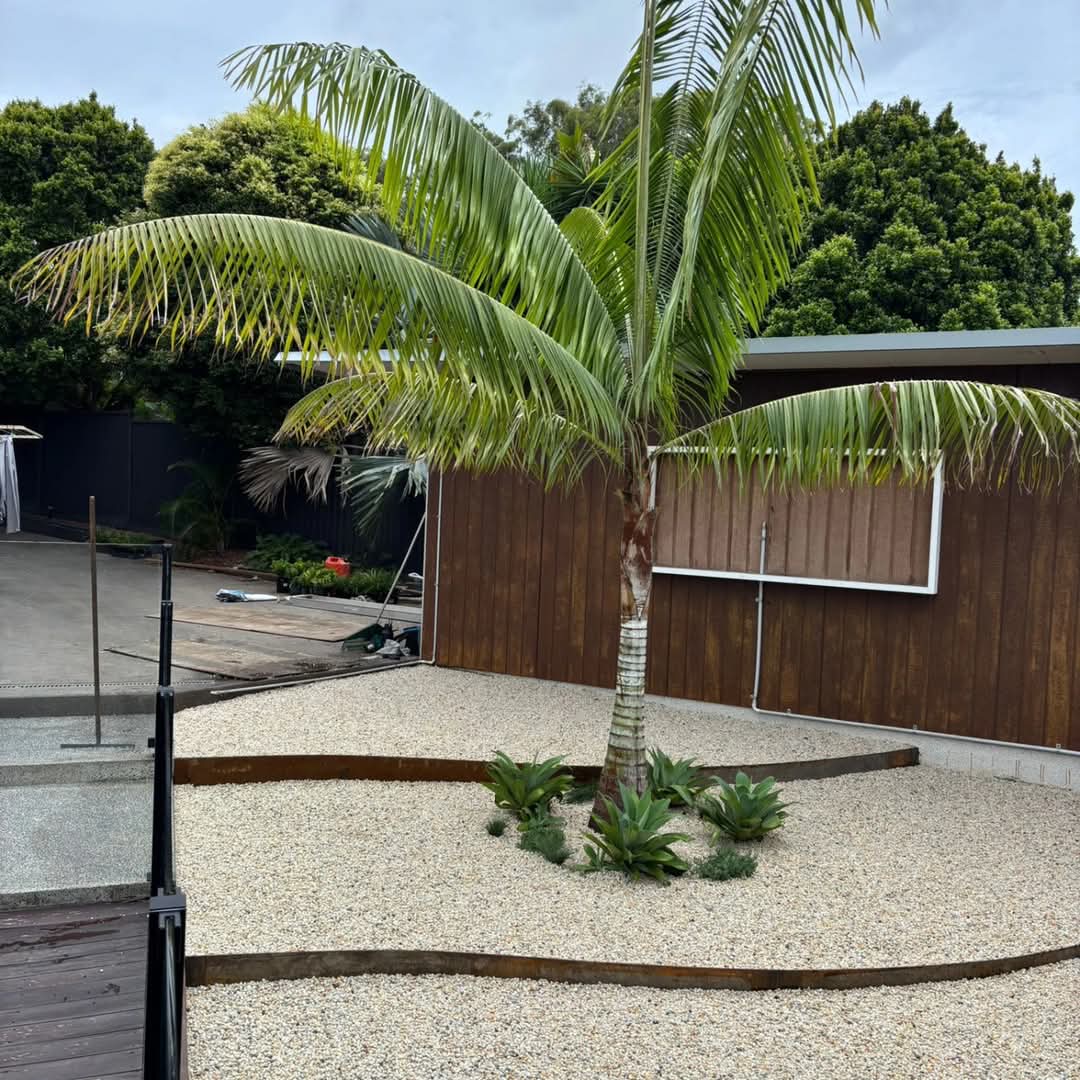
Tropical Garden Ideas for Coastal Homes
Living close to the coast is genuinely special and feels like a dream! The sea breeze, bright sunlight, and calm sound of waves make every day feel easy and connected to nature. But here's the challenge that coastal homeowners face: designing a garden that stays green and vibrant in that salty, windy, sandy environment isn't always straightforward. The ocean brings beauty, but it also brings challenges, salt air that can damage plants, strong winds that dry things out, sandy soil that doesn't hold water, and intense sun. But mate, this isn't a reason to give up on that tropical garden dream. It's just a reason to choose the right plants and design smartly.
Understanding Coastal Challenges
Before we talk about solutions, let's be honest about what coastal living throws at your garden. Salt air is tough on plants, it burns foliage, can harm tender growth, and even affects soil. Strong winds dry out plants quickly and can physically damage them, especially when they're young. Sandy soil drains beautifully for water drainage but provides little nutrition and doesn't hold moisture well. And coastal properties often get intense, consistent sun with little natural shelter.
The good news? All of these challenges are manageable with thoughtful planning. You don't have to sacrifice your tropical garden dreams, you just need to work with these conditions rather than fight them.
Building Your Tropical Garden Framework
Start by creating windbreaks with a select variety of mostly native and salt tolerant plant species and shelter. These create a buffer that allows more tender tropical plants to flourish behind them. Wind breaks also cool the air slightly and reduce evaporation, a real benefit in our climate.
Second, improve your soil. Yes, sandy soil drains well, but that's only half the story. Add plenty of organic matter like compost, aged bark, mulch to improve water and nutrient retention. When you plant, mix quality garden soil into those sandy areas. This makes an enormous difference in how well plants establish and thrive. A good 75-100mm of mulch over garden beds helps retain moisture, keeps roots cool, and gradually breaks down to improve soil structure.
Salt-Tolerant Tropical and Coastal Plants
Here's where understanding plant options becomes crucial. Some tropical plants are surprisingly salt-tolerant. Metrosideros, grows quickly, and handles coastal conditions brilliantly. Hibiscus loves sun and salt air. Croton is tough and adds color. Coastal banksia has stunning flowers and handles everything we throw at it. Grasstree provides structure and character. Groundcovers such as liriope, gazania help to fill the gaps and create layers.
Don't plant salt-sensitive plants in exposed coastal positions things like camellias, gardenias, or delicate tropical ferns won't be happy. Instead, use them in more sheltered positions behind your windbreaks where they can thrive. The idea is strategic placement based on what each plant can actually handle.
Creating Tropical Feel with Smart Design
You can absolutely create that lush tropical feel even on the coast. Use bold foliage plants things like Strelitzia, Clivia, and arid plants with interesting structure. Layer your plantings so you have tall structural trees, mid-story shrubs, and groundcovers creating depth. Add water features like fountains or small ponds, they add the tropical feel and provide habitat for wildlife. Consider tropical-colored flowers that really pop.
Hardscaping also influences the feel. Warm-colored paving, natural stone edging, and aluminium pergolas or composite deck structures add to the tropical vibe while proving longevity. Shade structures are essential anyway for our climate, so use them to create shaded entertaining areas with tropical planting underneath.
Managing Water in Coastal Conditions
Coastal properties often need thoughtful water management. Sandy soil drains fast, which sounds good until you realize plants might be thirsty. Install a good irrigation system tailored to different planting zones like shade areas need less water than sunny areas. Mulch heavily and build soil with organic matter to improve water retention. Choose drought-tolerant plants where possible, especially in exposed positions. And take advantage of any rainwater harvesting opportunities, capturing roof water for irrigation is brilliant in any climate.
Native coastal plants are naturally adapted to our rainfall patterns and often need less supplementary watering once established.
Practical Tips for Success
Plant in spring or early summer so plants have time to establish through the warm growing season before any drier periods. Protect young plants from wind and salt spray with shade cloth if needed for the first year. Water regularly during establishment, usually daily or every other day for the first few weeks, then gradually reducing as plants settle. Fertilize appropriately during the growing season to help plants establish strong root systems. Don't be afraid to remove plants that aren't working, there's no point struggling with something that hates your conditions when there are great alternatives.
One of the best things about coastal gardening is that you're working with nature's strength, the sun, the sea breeze, the energy of the coast. Work with those elements rather than against them, and you'll create something beautiful and resilient.
Want help creating your coastal tropical garden? At Apunga Landscapes, we love designing gardens that thrive in Gold Coast coastal conditions. We know the plants that handle salt and wind, we understand how to improve sandy soils, and we can create that tropical feel while working with nature rather than fighting it. Get in touch and let's design your coastal paradise.
How do I protect tropical plants from salt spray near the coast?
Position sensitive plants behind sturdy windbreaks that take the brunt of salt spray. Select naturally salt-tolerant species. Rinse foliage occasionally during extreme wind events to remove salt. On the Gold Coast coast, structural hardscaping and screening provide crucial protection allowing a broader tropical palette in protected microclimates.
What soil preparation is needed for a tropical Gold Coast garden?
Coastal Gold Coast soils are often sandy and low in nutrients, add substantial compost and organic matter before planting. Consider raised beds to improve drainage in low-lying coastal areas. Mulching heavily protects soil from salt spray and retains moisture. Good soil preparation is crucial for tropical plants to establish successfully in coastal conditions.
How do I create a low-maintenance tropical garden on the Gold Coast?
Choose naturally hardy tropical species suited to coastal Gold Coast conditions rather than fussy imports. Mulch heavily to reduce watering. Drip irrigation automates watering. Select plants that thrive with minimal pruning. On the Gold Coast coast, working with your conditions rather than against them creates the lowest-maintenance tropical garden.