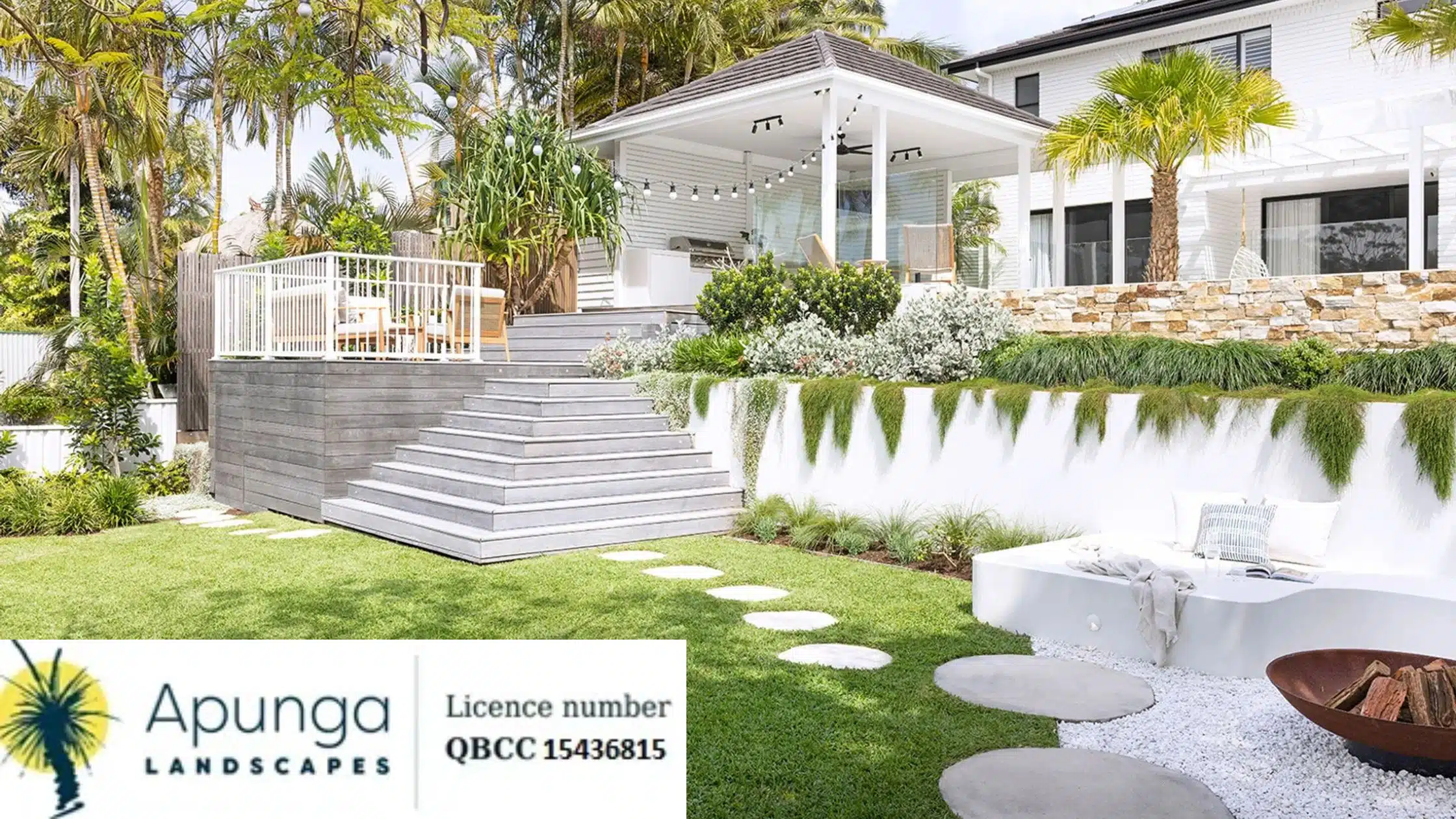
What Are the Essential Considerations for a Garden Space in Gold Coast?
Creating a stunning garden on the Gold Coast is genuinely exciting, our climate is one of the best for growing a diverse range of plants. But here's the thing: every garden space is different, and understanding the essential considerations specific to our region is what separates gorgeous, thriving gardens from ones that struggle. Let me walk you through what actually matters when you're planning your Gold Coast outdoor space.
Climate and Weather Patterns
Our Gold Coast climate is subtropical, which is brilliant for gardening. We've got consistent warmth, decent rainfall, and year-round growing conditions. But we're not tropical, and that matters. We get cooler winters, not cold, but cool enough that some tropical plants need careful placement or protection. We're also prone to occasional frost in elevated areas, which rules out some truly tender species unless they're in sheltered spots.
Understanding our rainfall patterns matters too. We get summer thunderstorms that can be intense, and occasional dry spells. Knowing this helps you choose plants that handle our specific patterns and plan irrigation accordingly.
Coastal vs. Hinterland
Where you are on the Gold Coast affects everything. Coastal areas deal with salt spray, which limits plant selections and requires either salt-tolerant species or strategic planting away from the spray zone. Hinterland properties get cooler nights and more rainfall, opening up plants that might struggle near the coast.
If you're near the coast, wind exposure matters more. You'll need windbreaks and sturdy plants that handle exposure. Hinterland gardens often get more frost and might need different frost-sensitive plant selections. Understanding your microclimate is essential.
Sunlight and Aspect
Take time to understand how sunlight moves across your property throughout the year. The Gold Coast is far enough south that seasonal light changes are noticeable. A spot that's shady in winter might be blast-zone hot in summer. This affects plant selection dramatically.
Aspect matters too, north-facing areas get maximum sun exposure and intense heat. South-facing areas are naturally cooler and shadier. East-facing areas catch morning sun but are protected from the intense afternoon heat. West-facing areas can be brutally hot in afternoon. Understanding these differences lets you choose plants that genuinely want to grow in those specific conditions.
Soil Conditions
Gold Coast soil is surprisingly variable. We've got areas with beautiful, rich volcanic soil, stretches of sandy coastal soils, clay-heavy zones, and areas with rocky, poor soils. Before you start planting, find out what you're working with. Sandy soils drain beautifully but struggle to hold moisture. Clay soils retain moisture but can become waterlogged. Rocky soils need significant amendment.
Most plants on the Gold Coast benefit from organic matter amendment, compost, aged manure, leaf litter, worked into the soil. This improves drainage in clay areas, boosts water-holding capacity in sandy soils, and generally creates an environment where roots want to establish.
Drainage
Proper drainage is absolutely foundational. The Gold Coast gets intense rainfall, and water that doesn't move properly causes massive problems. Waterlogging kills roots. Water pooling against structures causes damage. Before you design your garden, understand your property's drainage patterns. Where does water naturally flow? Where does it pool? These observations inform everything, retaining walls, planting positions, hardscaping locations.
Water Supply and Irrigation
On the Gold Coast, we typically get enough rainfall for established gardens, but we do have dry spells. Understanding whether your garden will rely on rainfall alone, or whether you'll need supplemental irrigation, helps you choose plants that match those conditions.
Modern irrigation systems, drip lines, soaker hoses, smart controllers, can deliver water efficiently. But the key is matching your irrigation approach to your plants' actual needs rather than watering on a set schedule.
Wind Exposure
The Gold Coast can get some serious wind, especially in elevated areas or near the coast. Some plants are naturally wind-tolerant; others get battered and torn by consistent exposure. If you're in a windy spot, you might need windbreak plantings or strategic structural placement. If you're sheltered, you can grow plants that need protection from exposure.
Plant Selection for Our Region
Our climate lets us grow an incredible range of plants. Tropical species love our heat and humidity. Mediterranean plants thrive in our sunnier, well-drained areas. Temperate plants appreciate our cool-ish winters. But choosing plants that thrive in our Gold Coast conditions, rather than fighting against them, is essential.
Native species are adapted to our conditions. Non-native plants that originate from similar climates elsewhere also perform beautifully. The plants that struggle are those that need significantly different conditions than what we naturally offer.
Pest and Disease Pressure
Our warm, humid climate is fantastic for plants but also fantastic for certain pests and diseases. Scale insects, spider mites, fungal issues, and other problems can emerge if you're not strategic about plant selection and management. Choosing naturally robust plants, ensuring good air circulation, and maintaining plant health makes a huge difference.
Maintenance Expectations
Different gardens require different maintenance. A formal, ornamental garden needs regular pruning, deadheading, and upkeep. A natural, wildlife-focused garden needs less frequent intervention. A productive vegetable garden needs consistent attention. Understanding what you're willing to commit to helps you design a garden that works with your lifestyle rather than against it.
Connecting Indoor and Outdoor
Think about how your garden relates to your home. Does it feel like a natural extension of your living space? Can you see it from your main living areas? How does it connect functionally, can you easily step outside with morning coffee, or is it isolated from daily life? The best Gold Coast gardens integrate with how you actually live.
Creating Your Vision
Planning a garden for Gold Coast conditions is exciting precisely because we can do so much. But successful gardens start with understanding your specific conditions, your climate, your soil, your light, and your lifestyle. Then you work with those realities to create something genuinely beautiful.
If you're ready to create a garden that thrives in Gold Coast conditions, one that's right for your property, your climate, and your lifestyle, Apunga Landscapes can help. We know our local conditions intimately, and we love helping people create gardens that work with nature rather than against it. Get in touch, mate. Let's build something beautiful.
How do I design a low-maintenance garden in subtropical Queensland?
Choose native plants, install mulch heavily to reduce watering, use drought-tolerant varieties, and get your irrigation sorted. Avoid high-maintenance plants that demand constant attention. A well-designed low-maintenance garden actually looks better because things aren't struggling.
How important is drainage when designing a garden on the Gold Coast?
Drainage is absolutely critical. Our summer rainfall can be intense, and poor drainage leads to root rot and plant loss. We always slope your garden away from buildings, create proper drainage paths, and use raised beds where needed. It's not flashy, but it's essential.
What soil type is best for Gold Coast gardens?
Well-draining loam with plenty of organic matter is ideal. Gold Coast soils are often sandy or clay-heavy, so we usually amend with quality compost and mulch. Good soil structure means your plants thrive and water drains properly—it's the foundation of everything.