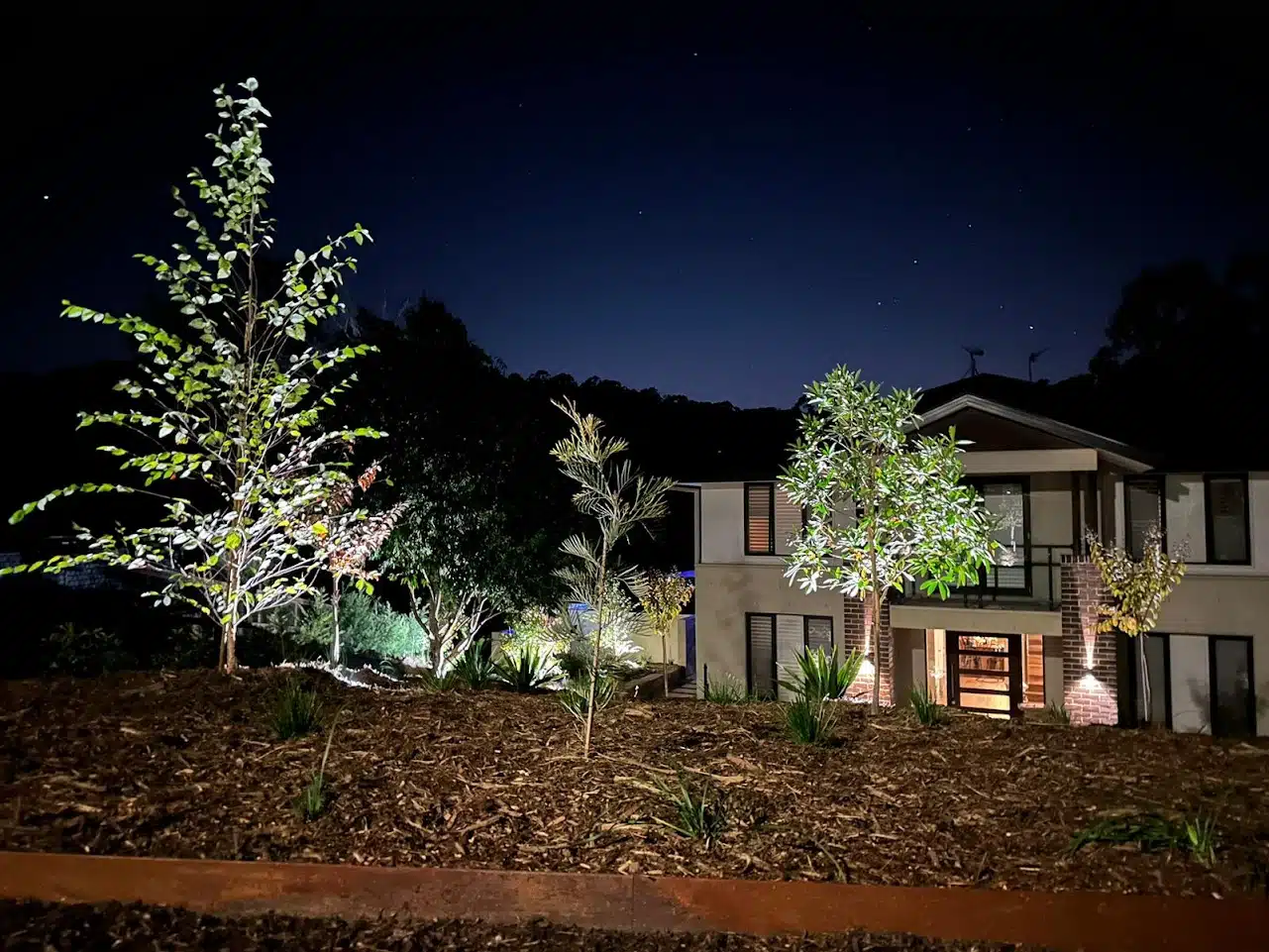
What is Landscape Architecture And How It Is Changing With Technological Innovation
Landscape architecture is a genuinely fascinating field. It's where art meets science, where environment meets human design, where nature and innovation work together to create spaces that are both beautiful and functional. But here's what many people don't realize: landscape architecture is evolving rapidly. Technology is changing how designers think about spaces, how they plan them, and how they create them. Understanding what landscape architects do and how they're embracing innovation gives real insight into creating better outdoor spaces.
What Exactly is Landscape Architecture?
At its core, landscape architecture is the design and planning of outdoor spaces at every scale, from individual gardens to entire neighborhoods, parks, and regions. Landscape architects bridge the gap between the natural environment and human-made built environments. They're concerned with how spaces look, how they function, how people use them, and how they interact with the environment.
It's different from horticulture (growing plants) or general garden design. Landscape architects take a broader view that encompasses:
Site analysis and planning
Infrastructure and drainage
Spatial relationships and circulation
Environmental sustainability
Community needs and accessibility
Think of a landscape architect as someone who understands plants and gardens but also understands how people move through spaces, how water works, how infrastructure systems function, and how environmental principles apply.
The Traditional Landscape Architecture Approach
Historically, landscape architects worked with hand-drawn plans, site surveys, and extensive on-ground analysis. They'd spend time understanding a site, drawing it by hand, creating detailed plans, and translating vision to construction documents. This approach is detailed and thoughtful, and the principles remain valuable today.
Modern landscape architects still do this site analysis work, understanding sun patterns, soil conditions, drainage, existing features, and how people naturally move through spaces. But they're increasingly using technology to deepen that analysis and communicate designs more effectively.
Technology Transforming the Field
3D Visualization and Virtual Reality
Instead of looking at a 2D drawing and imagining how a space will look, clients can now experience a near-realistic 3D model. You can walk through the design, see how light hits plants at different times, understand how spaces feel and flow. VR technology lets you experience spaces before they're built, this is revolutionizing how designers and clients communicate about concepts.
Drone Surveys and Mapping
Drones capture detailed aerial imagery and create accurate topographic maps far faster than traditional surveys. Landscape architects get precise understanding of site conditions, measurements, and existing features rapidly.
GIS and Environmental Analysis
Geographic Information Systems allow analysis of environmental factors at scale: water movement, soil conditions, sun exposure, microclimates. This technology helps designers understand sites deeply and make decisions grounded in data.
Parametric Design and AI
Parametric design software lets architects test multiple design scenarios based on specific parameters. Want to see how designs change if you adjust one variable? Software can generate multiple options, showing how changes ripple through the entire design.
Early AI applications are helping with routine analysis and suggesting design solutions based on best practices and site conditions.
Digital Fabrication
CNC machines, 3D printers, and other digital fabrication tools mean landscape features can be designed digitally and produced precisely. Complex structures, planting grids, or artistic elements can be fabricated and installed with accuracy.
Augmented Reality
AR technology lets you point your phone at a site and see virtual designs overlaid on the real space. This helps visualize how proposals look in actual context.
Sustainability Through Technology
Technology is enabling more sustainable landscape design:
Smart Irrigation Systems
Sensors measure soil moisture and adjust watering automatically. Weather-based controllers account for rainfall. This reduces water waste significantly while keeping plants healthy.
Rainwater Management
Digital analysis of water flow helps design systems that capture and use rainwater efficiently. Rain gardens, swales, and detention basins can be designed and positioned precisely.
Native Plant Optimization
Data about local climate, soil, and wildlife can inform selection of plants that work with local ecosystems rather than against them.
Carbon Tracking
Some practices now calculate carbon impacts of designs, materials used, transportation, maintenance, and long-term carbon sequestration through plant growth.
Gold Coast Specific Applications
For Gold Coast landscape architects, technology helps address specific regional challenges:
Coastal Erosion and Flood Risk
Digital modeling of rainfall, storm surge, and erosion helps design resilient spaces that work with natural processes.
Microclimate Modeling
Detailed analysis of local temperature, humidity, wind, and sun patterns informs plant selection and structural positioning.
Native Ecosystem Restoration
Data about local fauna and flora helps designers create spaces that support threatened species and restore ecological function.
The Human Element Remains Central
Here's the important bit: all this technology serves human needs and human experience. A beautifully designed space that people don't use or that doesn't work for actual human needs is a failure, regardless of technical sophistication.
The best landscape architects use technology as a tool to understand sites better, communicate ideas more clearly, and create more sustainable, functional spaces. But the core of great landscape architecture remains understanding how humans experience space and creating places that genuinely enhance life.
The Future of Landscape Architecture
Technology will continue to evolve:
Increased Integration
AI and digital tools will likely become more integrated, automating routine analysis and allowing architects to focus on creative problem-solving and human experience.
Real-Time Monitoring
Sensors in landscapes will track plant health, soil conditions, water movement, and structural integrity, feeding data that helps optimize management and performance.
Immersive Experience Design
Virtual and augmented reality tools will become more sophisticated, allowing clients to experience designs in increasingly realistic detail before construction.
Climate Adaptation
As climate change creates new challenges, landscape architects will use technology to design spaces that're resilient to changing conditions.
What This Means for Your Project
If you're considering professional landscape design or architecture, understanding these technological advances is helpful. Modern landscape architects can:
Analyze your site in sophisticated detail
Show you 3D visualizations of proposed designs
Optimize for water efficiency, sustainability, and functionality
Design spaces grounded in environmental data and best practices
Create spaces that look beautiful and genuinely work
The technology doesn't replace the human understanding of design principles, environmental knowledge, and ability to create spaces that genuinely move people, but it enhances and accelerates those core skills.
Choosing Your Landscape Professional
Whether you need a landscape designer or a landscape architect depends on project scope. For residential gardens, experienced landscape designers often work brilliantly. For larger projects, complex site conditions, or environmental concerns, landscape architecture expertise is valuable.
Either way, choosing someone who understands both the artistic principles of design and the practical, environmental, and technological aspects of creating spaces means you'll get something genuinely excellent.
At Apunga Landscapes, we're passionate about blending traditional landscape knowledge with modern tools and techniques. We understand Gold Coast conditions intimately, we apply technological insights where they add value, and we remain focused on creating beautiful, functional spaces that enhance your life. Whether you're exploring options or ready to move forward, let's have a chat about your outdoor space and what we can achieve together.
How much does a landscape architect charge on the Gold Coast?
Architects typically charge $150–$300+ per hour or offer fixed fees for projects. It's more expensive than design-only services but justified on complex projects. For straightforward residential work, a designer offering better value often makes sense.
How is technology changing landscape design on the Gold Coast?
3D rendering lets clients visualize designs before work starts. Drone photography captures site analysis better. Smart irrigation systems optimize watering. Design software makes changes easier. Technology helps us communicate ideas clearer and deliver better outcomes.
Do I need a landscape architect for a residential project on the Gold Coast?
For most residential gardens, a talented landscape designer is perfect. You'd want an architect for complex sites with major earthworks, complex drainage, or if you're planning something very large and detailed. Most Gold Coast homes do beautifully with good design.
What is the difference between a landscape architect and a landscape designer?
Architects typically hold formal qualifications and can handle large-scale projects with complex engineering. Designers focus on aesthetics and functionality at residential scale. Both are valuable; the choice depends on your project's complexity and scope.